Workplace safety is not achieved through policies and procedures alone. While safety programs, compliance standards, and training are essential, the true foundation of a safe work environment is a strong safety culture. A positive safety culture occurs when safety becomes a shared value across every level of an organization—from executives and managers to supervisors and frontline workers.
For companies operating in high-risk industries such as construction, infrastructure development, and industrial operations, hiring experienced site safety professionals is one of the most effective ways to build and sustain that culture. Dedicated safety professionals provide the expertise, oversight, and leadership necessary to identify hazards, guide safe work practices, and reinforce accountability across the jobsite.
Site safety professionals play a critical role in developing and sustaining this culture. On construction sites and large-scale projects, they serve as both safety experts and cultural leaders. Their daily actions, communication, and decision-making set the tone for how safety is perceived and practiced throughout the organization.
By leading through example, site safety professionals can influence behaviors, strengthen accountability, and build a workplace where safety is integrated into every task and decision.
What Is a Safety Culture in Construction?
A safety culture refers to the collective attitudes, beliefs, perceptions, and behaviors that employees share regarding workplace safety. In organizations with strong safety cultures, safety is not viewed as an obligation imposed by management or regulators. Instead, it becomes a core organizational value.
A strong safety culture typically includes:
- Visible leadership commitment to safety
- Open communication about hazards and risks
- Employee involvement in safety initiatives
- Consistent accountability for safe practices
- Continuous improvement through training and evaluation
In contrast, weak safety cultures often treat safety as an afterthought or simply as a regulatory requirement. This mindset increases the likelihood of unsafe behaviors, overlooked hazards, and preventable accidents.
Hiring qualified construction site safety professionals is one of the most effective ways organizations can strengthen their safety culture. These professionals bring specialized knowledge of safety regulations, hazard recognition, and risk management that supports both compliance and proactive accident prevention.
Why Hiring Site Safety Professionals Improves Construction Safety
Leadership plays a defining role in shaping workplace behaviors. Employees closely observe how safety leaders act, especially in high-risk environments such as construction sites, manufacturing facilities, and large infrastructure projects.
When safety professionals consistently demonstrate safe practices, follow procedures, and prioritize hazard mitigation, they reinforce the importance of safety throughout the organization.
Leading by example accomplishes several important objectives:
- Builds credibility with workers
- Encourages compliance with safety procedures
- Reinforces positive safety behaviors
- Promotes trust and open communication
- Strengthens organizational commitment to safety
For construction companies, having a dedicated project safety professional on site ensures that safety leadership is consistently visible. Rather than relying solely on supervisors or managers who may already have multiple responsibilities, a specialized safety professional provides focused oversight and guidance that supports safe operations throughout the project lifecycle.
Workers are far more likely to adopt safe work practices when they see safety professionals actively practicing what they promote.
The Role of Site Safety Professionals in Construction Projects
One of the most effective ways site safety professionals can lead by example is through visible leadership. Being present in the field and actively engaged in safety practices shows workers that safety is a priority.
Rather than remaining behind a desk reviewing documentation, strong safety leaders spend time observing work activities, conducting walkthroughs, and interacting with workers on site.
Visible leadership may include:
- Performing regular site safety inspections
- Participating in daily toolbox talks
- Observing work practices and offering constructive feedback
- Promptly addressing hazards when they arise
- Reinforcing safe behaviors when employees follow procedures
Construction projects are dynamic environments where conditions can change rapidly. Having a trained safety professional on site allows organizations to identify hazards in real time and implement corrective actions before incidents occur.
Improving Construction Site Safety Through Clear Communication
Clear communication is a key component of building a strong safety culture. Safety professionals must ensure that workers fully understand safety expectations, procedures, and potential hazards associated with their tasks.
Strategies for improving safety communication include:
- Conducting engaging toolbox talks and safety briefings
- Encouraging workers to report hazards without fear of retaliation
- Using clear and simple language when explaining safety procedures
- Providing visual reminders such as signage and hazard alerts
- Following up on reported concerns and communicating solutions
Dedicated site safety professionals play an important role in facilitating these conversations. Because they are focused specifically on safety, they can devote the time needed to educate workers and ensure that safety information is communicated consistently across the jobsite.
Leading by Example: Modeling Safe Work Practices on the Jobsite
One of the most powerful ways safety professionals can influence workplace behavior is by modeling safe work practices themselves.
Site safety professionals should consistently demonstrate behaviors such as:
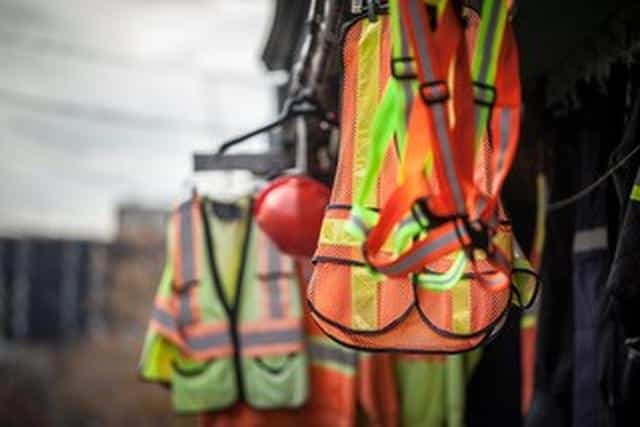
- Wearing required personal protective equipment (PPE)
- Following established safety protocols
- Maintaining situational awareness in hazardous environments
- Addressing unsafe behaviors immediately
- Practicing proper hazard assessment before beginning tasks
When companies hire experienced safety professionals who consistently demonstrate these behaviors, they reinforce that safety standards apply to everyone on the jobsite.
Encouraging Worker Engagement to Strengthen Safety Culture
A strong safety culture depends on active participation from employees at all levels. Site safety professionals can foster this engagement by empowering workers to take ownership of safety.
Ways to encourage engagement include:
- Creating worker-led safety committees
- Involving employees in hazard assessments and risk analysis
- Recognizing individuals who demonstrate strong safety practices
- Encouraging peer-to-peer safety accountability
- Asking workers for feedback on improving safety procedures
This collaborative approach transforms safety from a top-down requirement into a shared responsibility.
The Importance of Continuous Safety Training on Construction Sites
Education and training are essential components of a proactive safety culture. Even experienced workers benefit from regular training that reinforces best practices and addresses emerging risks.
Key training initiatives may include:
- Hazard recognition and risk assessment
- Equipment safety and operational procedures
- Fall protection and ladder safety
- Heat stress prevention and seasonal hazards
- Emergency preparedness and response
Hiring a safety professional ensures training is consistently delivered, documented, and tailored to the hazards of each construction project.
Using Safety Data and Inspections to Prevent Workplace Accidents
Safety culture is not static. It must evolve through ongoing evaluation and improvement. Site safety professionals can strengthen safety performance by analyzing safety data, identifying trends, and implementing proactive measures to prevent incidents.
Important data sources include:
- Incident and near-miss reports
- Safety inspection findings
- Employee feedback and observations
- Training completion records
- Job hazard analyses
By reviewing this information regularly, organizations can identify patterns and address potential hazards before they result in injuries.
Building Trust Between Workers and Safety Leaders
Trust is the foundation of a strong safety culture. Workers must feel confident that safety professionals are approachable, supportive, and genuinely concerned about their well-being. When workers trust safety leaders, they are more likely to report hazards, participate in safety initiatives, and actively help maintain a safe workplace.
Strengthening Safety Culture by Hiring Experienced Safety Professionals
Developing a strong safety culture requires more than compliance with regulations. It demands leadership, consistency, and active engagement from everyone involved in the workplace.
Hiring experienced site safety professionals for construction projects is one of the most effective ways organizations can strengthen safety performance and reinforce a culture of accountability. These professionals provide specialized expertise, real-time hazard recognition, and visible leadership that support safe work practices across the jobsite.
By partnering with knowledgeable safety experts, companies can build safer worksites, improve compliance, and create an environment where safety truly comes first.
How Site Safety Professionals Strengthen Construction Projects
Site safety professionals bring measurable, day-to-day value that directly impacts project performance, risk reduction, and overall operational success. Their presence on a construction site is not just about enforcing rules—it’s about enhancing how the entire project functions.
- Catching Issues Early Before They Escalate
One of the most significant advantages of having a dedicated safety professional on-site is the ability to identify and address issues early. Construction environments are constantly evolving, and small hazards can quickly turn into serious incidents if left unaddressed.
Safety professionals:
- Identify unsafe conditions during routine walkthroughs
- Recognize patterns in near-misses and minor incidents
- Address risks before they result in injuries or delays
By catching issues early, companies can avoid costly rework, project interruptions, and potential regulatory penalties.
- Improving Field Visibility and Awareness
Safety professionals increase overall job-site awareness by maintaining a consistent presence in the field. Their visibility ensures that safety remains a constant priority rather than an afterthought.
This improved field visibility:
- Keeps leadership informed of real-time site conditions
- Provides insight into how work is actually being performed
- Bridges the gap between management expectations and field execution
With better visibility, companies can make more informed decisions that improve both safety and productivity.
- Acting as a Coach, Not Just an Enforcer
Effective safety professionals go beyond enforcement—they serve as coaches and mentors to the workforce. This approach helps build trust and encourages long-term behavioral change.
As coaches, safety professionals:
- Provide constructive, real-time feedback
- Help workers understand the “why” behind safety procedures
- Reinforce positive behaviors instead of only correcting negative ones
This coaching mindset strengthens safety culture by creating engagement rather than resistance.
- Verifying Safety Requirements and Compliance
Construction projects involve multiple contractors, trades, and regulatory requirements. A dedicated safety professional ensures that safety expectations are consistently met across all levels.
They help:
- Verify compliance with company policies and regulatory standards
- Ensure subcontractors are following required procedures
- Confirm that permits, plans, and safety controls are properly implemented
This proactive verification reduces liability and ensures consistency across the jobsite.
- Keeping Safety Training and Orientations on Track
Training is essential, but without proper oversight, it can become inconsistent or overlooked—especially on fast-paced projects.
Safety professionals ensure:
New hire orientations are completed and documented
Ongoing training stays current and relevant
Toolbox talks and safety meetings are meaningful and consistent
By keeping training on track, they reinforce knowledge and ensure workers are prepared to perform tasks safely.
- Supporting Project Leadership
Site safety professionals provide additional bandwidth for project managers and superintendents—allowing leadership to focus on schedule and production while knowing safety is being actively managed. Project managers and supervisors already carry significant responsibilities related to schedule, budget, and production.
A dedicated safety professional:
- Supports leadership by taking ownership of safety initiatives
- Allows supervisors to focus on operations while maintaining safe practices
- Acts as an extension of the leadership team in the field
- This added field capacity improves overall project efficiency while maintaining a strong focus on safety.
Why Hiring a Site Safety Professional Is a Smart Business Decision
When companies invest in experienced site safety professionals, they are not just improving compliance—they are strengthening every aspect of project execution.
Safety professionals help organizations:
- Prevent incidents before they occur
- Reduce costly delays and disruptions
- Improve communication between the field and management
- Enhance workforce engagement and accountability
- Maintain consistent training and safety standards
- Support leadership with dedicated safety expertise
Ultimately, hiring a safety professional is a proactive investment in risk management, operational efficiency, and long-term project success. For construction companies, investing in a safety professional is a proactive step toward safer, more productive operations.
Frequently Asked Questions About Hiring Construction Site Safety Professionals
What does a construction site safety professional do?
A construction site safety professional is responsible for identifying hazards, ensuring compliance with OSHA and company safety standards, conducting site safety inspections, and providing ongoing safety training. They work directly in the field to monitor work activities, correct unsafe behaviors, and support both workers and leadership in maintaining a safe jobsite.
Why should a company hire a site safety professional for a construction project?
Hiring a site safety professional helps companies proactively prevent accidents, reduce liability, and improve overall project performance. Safety professionals provide real-time hazard recognition, ensure safety requirements are followed, and support supervisors by managing safety responsibilities—allowing projects to run more efficiently and safely.
How do safety professionals help prevent construction accidents?
Safety professionals help prevent accidents by identifying risks early, conducting regular inspections, analyzing near-misses, and reinforcing safe work practices. Their constant presence on-site allows them to address hazards before they escalate into injuries or incidents.
Do safety professionals improve productivity on construction sites?
Yes, safety professionals can improve productivity by reducing accident-related downtime, preventing rework, and helping projects stay on schedule. A safe jobsite is a more efficient jobsite, where workers can focus on tasks without unnecessary risks or disruptions.
How do safety professionals support construction project managers and supervisors?
Safety professionals act as an extension of the leadership team by taking ownership of safety oversight. They increase field capacity, ensure compliance, manage training, and provide real-time feedback, allowing supervisors and project managers to focus on scheduling, coordination, and production.
What role do safety professionals play in safety training and orientations?
Safety professionals ensure that all workers receive proper safety orientations and ongoing training. They conduct toolbox talks, verify training completion, and tailor safety education to the jobsite’s specific hazards, helping workers stay informed and prepared.
How do safety professionals improve safety culture on construction sites?
Safety professionals strengthen safety culture by leading by example, coaching workers, encouraging open communication, and reinforcing accountability. Their consistent presence helps make safety a shared value across the entire jobsite.
Are safety professionals required for construction projects?
While not always required by law for every project, many companies choose to hire dedicated safety professionals to meet regulatory requirements, reduce risk, and improve safety performance—especially on large or high-risk construction projects.
How can hiring a safety professional reduce costs?
Hiring a safety professional can significantly reduce costs by preventing injuries, lowering workers’ compensation claims, avoiding OSHA fines, and minimizing project delays. Proactive safety management is far more cost-effective than reacting to incidents after they occur.
What industries benefit most from hiring site safety professionals?
Industries with higher risk levels benefit the most, including construction, manufacturing, industrial operations, warehousing, energy, and infrastructure development. Any environment with potential hazards can benefit from dedicated safety oversight.
Hiring experienced site safety professionals for construction projects is one of the most effective ways organizations can strengthen safety performance, improve field operations, and proactively manage risk. These professionals provide real-time hazard recognition, coaching, compliance verification, and critical field support that help projects run more safely and efficiently.
Safety Consulting Specialists delivers comprehensive safety training and consulting services and provides highly experienced project safety professionals dedicated to strengthening safety culture and elevating jobsite performance. By partnering with knowledgeable safety experts, organizations can proactively reduce risk, enhance compliance, and create safer, more efficient worksites where safety and productivity go hand in hand. Contact Safety Consulting Specialists today to discuss your project and discover how our experienced site safety professionals can support your success.