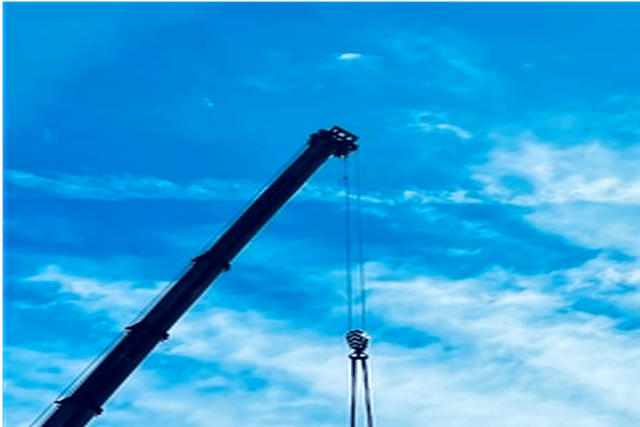
Construction sites across North Carolina often see a noticeable increase in crane operations as the summer approaches. Longer daylight hours, tighter deadlines, and heavier workloads all put additional demands on crews—and cranes become an even more critical part of getting the job done. But with that power comes significant risk. Improper crane operation remains one of the leading causes of serious injuries and fatalities in the construction industry. These incidents don’t just affect the people directly involved—they ripple through the entire crew, delay projects, and can have devastating legal and financial consequences.
At Safety Consulting Specialists, we know that construction site crane safety is not just about meeting OSHA requirements—it’s about protecting lives, safeguarding your project timeline, and preserving your company’s reputation.
Understanding the Risks of Crane Operation
Crane accidents can happen in an instant. A slight miscalculation or skipped step can cause tipping, collapsing, dropped loads, or accidental contact with power lines. OSHA reports show that a large percentage of crane-related incidents are preventable and often linked to human error.
Common risk factors include:
1. Overloading – Exceeding the crane’s load capacity can cause mechanical failure, tipping, or collapse.
2. Structural Failure – Poor maintenance, metal fatigue, or hidden defects can lead to catastrophic breakdowns.
3. Tip-Over Risk – Improper setup, unstable ground, or incorrect counterweight placement can cause cranes to tip.
4. Contact with Power Lines – Cranes operating near overhead lines risk electrocution or fires if they make contact.
5. Poor Communication – Misunderstood signals between operators and ground crews can cause load misplacement or accidents.
6. Weather Hazards – High winds, lightning, rain, or icy conditions can compromise crane stability and visibility.
7. Falling Loads – Improper rigging, shifting loads, or sudden movements can cause materials to fall, endangering workers below.
8. Swing Radius Hazards – Loads or crane arms moving within their operating radius can strike workers or structures.
9. Operator Fatigue or Inexperience – Reduced reaction times or lack of training can lead to unsafe maneuvers. Operator distraction or fatigue leads to slower reaction times.
10. Inadequate Site Preparation – Unleveled, unstable, or uneven ground, poor soil conditions, or obstacles can compromise stability.
11. Mechanical Malfunctions – Brake, hydraulic, or hoist system failures can result in loss of control.
12. Pinch and Crush Points – Moving crane components can trap or crush workers nearby.
13. Visibility Limitations – Blind spots or obstructed views can lead to collisions or misplacement of loads.
14. Unauthorized Use – Untrained personnel operating the crane increase the chance of accidents.
15. Rigging Failures – Using worn, damaged, or improper rigging equipment can cause dropped loads. Improper rigging techniques can allow loads to shift or fall.
16. Ground Collapse – Operating on unstable surfaces can cause the crane to sink or tip.
17. Nearby Traffic or Activity – Construction vehicles or pedestrian traffic may interfere with crane operation.
18. Lack of Inspections – Skipping inspections can allow mechanical issues to go unnoticed.
When project schedules tighten—as they often do in summer—it’s tempting to move faster. But rushing crane operations can turn a productive workday into an emergency in seconds.
Crane Safety Best Practices for North Carolina Construction Sites
Cranes are essential for lifting and moving heavy materials on construction sites across North Carolina. But without strict safety measures, they can also present some of the most serious hazards on the job. From struck-by injuries to equipment failures, crane-related accidents can result in costly delays, citations, and even fatalities.
At Safety Consulting Specialists, we’ve spent over two decades helping construction companies across North Carolina reduce crane-related risks through crane safety training, site safety audits, and compliance planning. Below are best practices for construction site crane safety that every contractor, site supervisor, and operator in North Carolina should follow to protect workers and comply with state and federal safety requirements.
1. Conduct Pre-Operation Inspections
Before every shift, inspect the crane for wear, damage, or malfunction. Check cables, hooks, brakes, hydraulic systems, and safety devices. Early detection of issues prevents dangerous mid-lift breakdowns and keeps you in compliance with inspection requirements.
2. Hold a Pre-Lift Planning Meeting
Before every lift, gather the crane operator, signal person, riggers, and supervisors. Review:
- Load charts and lifting capacity
- Work area hazards
- Communication methods (hand signals, radios)
- Weather and environmental conditions
This proactive discussion ensures everyone understands their role and reduces surprises mid-lift.
3. Verify Operator Certification and Training
In North Carolina, crane operators must hold proper certifications and have hands-on training with the specific type of crane they’ll be using. Ongoing crane safety training ensures operators meet both OSHA and state standards. Annual refresher training also reinforces skills and addresses changes in crane regulations. Experience is valuable, but not enough on its own. Crane operators, riggers, and signal persons must have up-to-date, documented training specific to their duties. Certification ensures they understand current regulations, safe operating procedures, and emergency protocols.
4. Follow Manufacturer Load Limits
Never guess at a crane’s capacity. Consult the manufacturer’s load chart for every lift and avoid overloading, which can cause tipping or equipment failure—a key violation often noted during construction site safety audits.
4. Maintain Clear Communication
Use standardized hand signals or two-way radios so operators, riggers, and spotters stay coordinated during lifts—especially important on busy North Carolina job sites where noise levels can be high. Assign one trained signal person per crane operation. Eliminate distractions during lifts and ensure everyone uses the same, approved communication methods.
5. Inspect Daily—Document Everything
Each crane should be inspected before the start of every shift. Look for:
- Hydraulic leaks
- Frayed wire ropes
- Cracked welds or structural issues
- Correct fluid levels
In addition to daily checks, schedule annual third-party inspections and load testing to comply with OSHA and NCCCO standards. Detailed documentation is a key part of crane safety training and protects both your crew and your company.
6. Establish and Enforce Lift Plans
For heavy or critical lifts, develop a detailed plan that accounts for wind speeds, ground stability, and the lift path. Reviewing lift plans with the crew helps ensure compliance with crane safety guidelines.
7. Control the Swing Radius
Post barriers or caution tape around the crane’s swing area to prevent workers or equipment from entering the danger zone. This is a simple yet highly effective step to reduce struck-by injuries.
8. Monitor Weather Conditions
North Carolina’s unpredictable weather—especially coastal wind gusts, summer thunderstorms, and hurricane season—can make crane work unsafe. Always halt operations in high winds, lightning, or low visibility to stay compliant with crane safety standards. Sudden weather shifts are common in North Carolina. High winds—especially at boom height—can destabilize loads. Operations should be paused or shut down immediately if conditions become unsafe.
9. Maintain Safe Distances from Power Lines
Maintain OSHA-required clearance from overhead power lines. Many North Carolina construction sites face this hazard during setup, making electrical safety a top priority in site safety inspections. OSHA mandates minimum clearance distances when working near overhead lines. Always designate a dedicated spotter or signal person to guide operations in tight or high-risk areas.
10. Use Qualified Riggers & Signal Persons
All rigging work should be performed by trained and experienced personnel. Selecting the correct slings, shackles, and lifting devices is critical to safe operations and OSHA compliance. Signal persons must be qualified. Proper communication needs to be established with the crane operator and crew prior to lifting operations.
11. Perform Regular Maintenance
Follow the crane manufacturer’s recommended maintenance schedule and keep records for compliance audits. Partner with qualified mechanics to ensure inspections meet North Carolina crane safety and OSHA requirements.
Why Crane Safety Matters in North Carolina
Crane accidents threaten lives, delay projects, and can result in significant fines under crane regulations. Partnering with Safety Consulting Specialists means working with a trusted local team that provides North Carolina crane safety training, construction site safety audits, and on-site compliance support.
Whether you operate in Raleigh, Charlotte, Wilmington, Greensboro, or anywhere across North Carolina, our experts can help your team stay safe, productive, and compliant.
Building a Stronger Crane Safety Culture
Safe crane operations depend on more than individual skill—they rely on a culture that values preparation, precision, and accountability.
- When you invest in:
- Thorough planning before every lift
- Certified, knowledgeable personnel
- Ongoing crane safety training
- It creates a jobsite where safety drives productivity, and risk stays low.
At Safety Consulting Specialists, we provide construction site crane safety audits, operator training, and on-site consultations tailored to the unique needs of North Carolina construction projects. With decades of experience in NC construction safety, we deliver crane safety training, evaluations, and safety consulting that keep your projects running smoothly.
Call us today at 919-417-2139 to schedule your crane safety evaluation or customized training session.